Patio vs. Deck: Which Outdoor Solution Is Right for You?
When considering exterior spaces, the selection between a patio and a deck frequently poses a dilemma. Each option offers specific benefits and drawbacks that can greatly impact both aesthetics and functionality. Elements including maintenance requirements, budget constraints, and intended use have a significant impact on this decision. Recognizing these considerations can help homeowners make informed choices. So which choice is most compatible with your individual needs and desires? The outcome could be eye-opening.
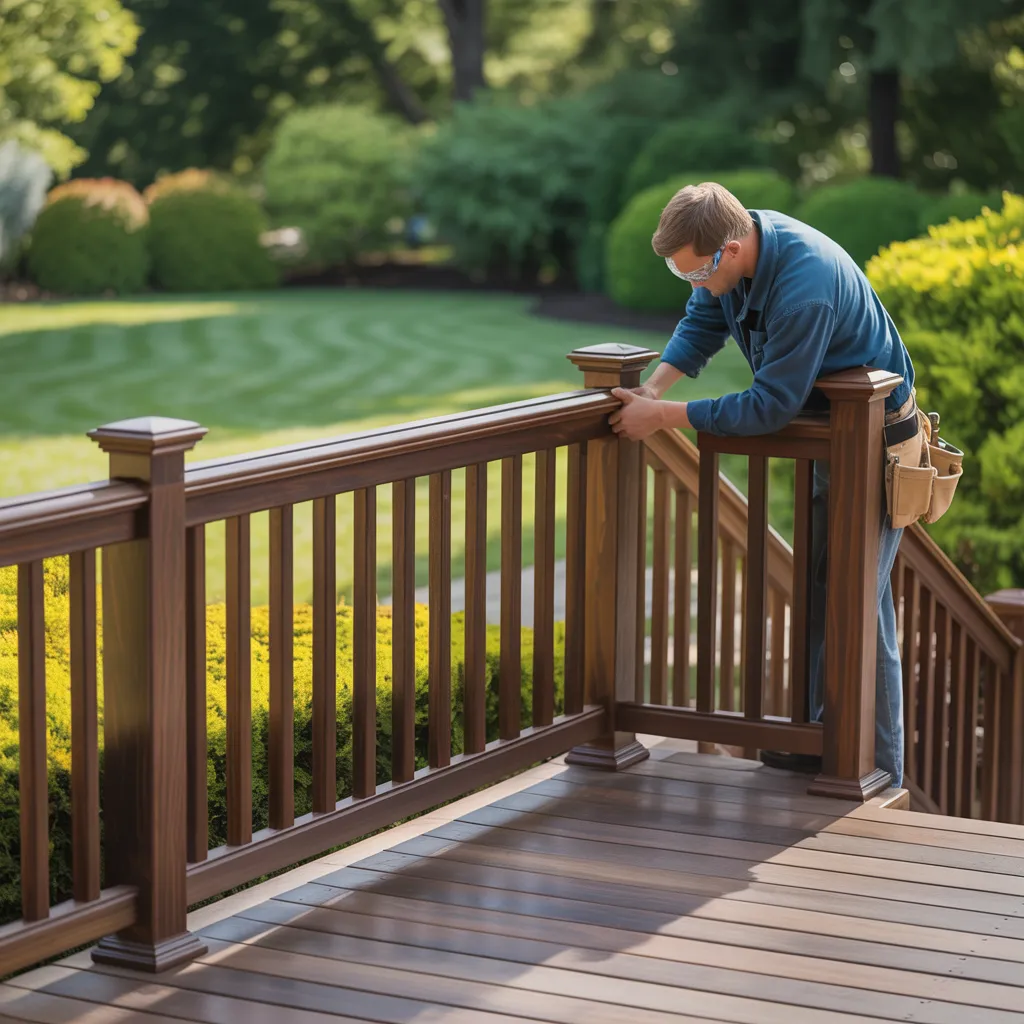
Making the Decision: Important Considerations for Your Exterior Space
When determining the most suitable solution for an outdoor living area, what aspects deserve careful thought? Homeowners must evaluate a number of important factors, including the planned purpose of the area, financial considerations, and ongoing care needs. Initially, determining the primary purpose of the outdoor area—whether for entertaining, relaxation, or gardening—can greatly influence the choice. Additionally, financial limitations are a key consideration; patios generally have lower installation costs compared to decks, which can be more expensive due to materials and construction complexity. Additionally, maintenance needs should not be overlooked. Patios are often lower maintenance compared to decks, as decks may need periodic sealing and staining. In addition, regional weather conditions and landscape features may influence the longevity and suitability of each choice. By weighing these factors, property owners can reach a well-considered choice that suits their needs and tastes, guaranteeing an enjoyable outdoor space for the foreseeable future.
Getting to Know the Fundamentals: How a Patio Differs From a Deck?
Learning the essentials of patios and decks involves recognizing their distinct material choices and design elements. Patios are commonly built using concrete, stone, or brick, whereas decks are typically crafted from wood or composite materials. Furthermore, decks are frequently raised above ground level, delivering a unique aesthetic and functional appeal compared to the ground-level nature of patios.
Material Options Overview
Material selection is a key factor in the distinction between patios and decks. Patios are typically made using materials like stone, brick, or concrete, delivering durability and a stable surface that blends seamlessly with the landscape. These materials are often chosen for their capacity to endure various weather conditions and require minimal maintenance.
On the other hand, decks are commonly built from wood and composite options, which offer a more inviting appearance and are raised above the ground level. Classic wood choices, such as cedar and redwood, deliver natural beauty but demand consistent care to avoid deterioration and decay. Composite materials, while often more expensive, offer a low-maintenance alternative that resembles the look of wood. Ultimately, the selection of materials considerably influences the functionality and visual appeal of any given outdoor living space.
Elevation and Design Differences
The level of elevation serves as a major differentiating factor between patios and decks. Typically, patios are built at ground level and are constructed from materials such as stone, concrete, or brick. As a result, they blend seamlessly with the surrounding landscape, offering a solid surface for outdoor furniture and recreational activities. In contrast, decks are often elevated structures made from wood or composite materials, allowing for a view of the yard or surrounding area. Such elevation can significantly improve outdoor experiences, especially on sloped terrains. In terms of design, patios are generally more adaptable in shape and size, merging effortlessly with garden spaces, while decks insightful guide usually maintain a more consistent rectangular or square configuration, frequently including railings and stairs to ensure accessibility.
Best Reasons to Opt for a Patio in Your Outdoor Space
Even though patios and decks both present exceptional qualities, a large number of homeowners discover that a patio offers a flexible and long-lasting option for outdoor living spaces. Patios can be constructed from a variety of materials, such as concrete, stone, or brick, enabling personalization to complement the home's visual appeal. Their minimal height and harmony with the surrounding landscape produce a fluid connection between indoor and outdoor living spaces.
Additionally, patios need lower maintenance compared to decks, which frequently require regular sealing or staining. They are also unlikely to experience issues such as warping or splintering, making them a more secure option for households with kids or animals. Furthermore, patios have the ability to feature various outdoor additions like fire pits, grills, or seating areas, boosting their usability. All things considered, for those seeking a resilient, flexible outdoor environment, a patio presents a compelling choice that suits different lifestyle requirements and tastes.
How Decks Enhance Outdoor Living
When exploring outdoor living spaces, decks present a remarkable charm that countless homeowners enjoy. Elevating a space above ground level, decks offer clear views of the surrounding scenery, elevating the overall enjoyment of outdoor areas. This elevation also enables improved drainage and minimizes moisture buildup, which can be a problem with ground-level patios.
In addition, decks provide varied design possibilities, embracing various aesthetics and materials, from traditional wood to modern composite materials, providing a blend with the home's overall design. They additionally provide an perfect environment for holding social events, as they can conveniently accommodate outdoor furniture, grilling equipment, and other exterior accessories.
In addition, decks act as linking zones, effortlessly joining indoor and outdoor environments. The capacity to tailor size and shape enables homeowners to make the most of their outdoor area. In summary, decks elevate exterior living experiences, contributing to both functionality and aesthetic appeal.
Patio vs. Deck: How Do the Costs Compare?
Cost factors play a vital role in the decision-making process between choosing a patio or a deck for outdoor spaces. In most cases, patios typically offer a lower upfront installation cost than decks. Patios, often constructed from concrete, stone, or brick, can be less expensive due to the availability of materials and simpler labor requirements. By comparison, decks usually call for more specialized materials including wood or composite, combined with greater structural support, driving up overall expenditures.
In addition, the cost of routine maintenance can fluctuate. Deck surfaces may necessitate regular sealing or staining, while patio surfaces typically need reduced care. Nevertheless, the entire outdoor design can affect pricing considerably. Homeowners must account for their finances not only for installation but also for possible future costs. At the end of the day, being aware of these cost-related factors can help in making a knowledgeable selection that suits both budgetary constraints and aesthetic preferences.
Deck versus Patio: What Are the Maintenance Requirements?
Maintaining a deck generally demands greater attention than maintaining a patio. Decks, especially those made of wood, are susceptible to insect damage, weathering, and rot. Periodic sealing and staining are essential to safeguard the wood and maximize its longevity. By comparison, patios, commonly made from sturdy materials like stone or concrete, need less regular care. Maintaining a patio generally consists of occasional sweeping and power washing to remove dirt and debris.
Additionally, decks can need repairs from warped or damaged boards, while patios generally remain intact unless cracked. Regular seasonal attention for decks often requires checking for loose fasteners and ensuring proper drainage to prevent moisture buildup. All things considered, while both outdoor spaces require upkeep, the maintenance needs of a deck are considerably more thorough and lengthy compared to what a patio requires, making it critical for homeowners to evaluate their commitment level before making a decision.
The Beauty Factor: Patios vs. Decks for Your Home
When considering overall appearance, patios and decks provide unique advantages for property owners. Patios provide a variety of design versatility with diverse materials and finishes, while decks frequently excel in their capacity to feature natural wood and vibrant colors. Understanding these options helps homeowners arrive at thoughtful decisions that improve their outdoor living areas.
Design Versatility
Design versatility plays an essential role in elevating the beauty of exterior living areas, with both patios and decks providing distinct benefits. Patios, commonly built using stone, brick, or concrete, harmoniously complement a variety of landscaping styles, creating a cohesive look. Their smooth surfaces support a wide range of design components, like outdoor seating, fire pits, and decorative planters, giving homeowners the ability to tailor their space to their preferences.
In contrast, outdoor decks, typically raised and constructed from wood or composite materials, offer a unique decorative appeal. They help elevate views and establish a sense of spaciousness, well-suited for properties close to water or raised terrain. Both choices, therefore, permit creative expression, accommodating various preferences and practical requirements in outdoor design.
Color and Material Options
The selection of colors and materials heavily affects the overall aesthetic appeal of patios and decks, each offering distinct possibilities. Patios commonly incorporate materials like stone, concrete, or brick, enabling numerous texture and finish combinations. These options can be tailored with colors that range from earthy tones to bold hues, accentuating the surrounding landscape. By comparison, decks are frequently built using wood or composite materials, which may be stained or painted to accomplish a specific aesthetic. Wooden decks provide a classic warmth, while composite materials provide durability across a wide range of colors. At the core, residential and landscape aesthetics determine the decision, as patios and decks alike can either harmonize with or stand apart from existing architecture, establishing a unified outdoor living space.

Questions Our Clients Often Ask
Can I Build a Patio or Deck by Myself?
Certainly, someone can build a patio or deck by themselves, provided they possess the required knowledge, skills, and tools. Thorough planning, following local guidelines, and understanding of materials are important for a smooth installation.
Which Materials Work Best for Patios and Decks?
For patios, concrete, pavers, and natural stone are top choices, while wood, composite, and vinyl stand out as superior options for decks. Each of these materials brings its own set of benefits in durability, visual appeal, and upkeep, ultimately impacting the overall outdoor living experience.
How Do I Choose the Right Location for My Patio or Deck?
Picking the most suitable place for a deck or patio entails considering sunlight, proximity to the home, drainage, privacy, and views. Considering these essential elements ensures an enjoyable and functional outdoor space that suits the natural surroundings.
Are Patios or Decks the Better Choice for Resale Value?
Patios tend to deliver greater resale value due to their durability, lower maintenance costs, and seamless integration with landscaping. However, decks can attract buyers seeking elevated outdoor spaces, rendering both alternatives potentially worthwhile depending on current market trends.
What Local Codes Apply to Patio and Deck Installation?
Local regulations affecting patio and deck installation typically include building codes, zoning laws, and required permits. Homeowners must verify height restrictions, property line setbacks, and materials allowed to guarantee compliance with municipal guidelines before construction.